
There's a synergistic relationship between Mindfulness and Strength Training where leveraging both results in a potent therapeutic intervention.

Gone are the days of approaching chronic conditions with a single-system mindset—such as treating chronic pain through musculoskeletal rehab alone.
It is becoming increasingly clear that we cannot separate our bodily systems. This shift is driven by the integration of biopsychosocial models (viewing health as a state of physical, mental, and social well-being) and frameworks like Psychoneuroendocrinoimmunology (your psychological state, immune system, nervous system, endocrine system, and gut microbiome are in a constant, multidirectional conversation).
Using chronic pain as an example, a significant body of research shows that mind-body interventions—such as mindfulness and "Emotional Awareness and Expression Therapy"—can significantly reduce pain levels.
Mindfulness-based interventions have also been shown to increase anti-inflammatory cytokines and decrease pro-inflammatory gene expression in populations ranging from breast cancer survivors to those with Long COVID dysautonomia (1).
The relationship works both ways. For instance, gut microbiome shifts can profoundly affect mental health; one systematic review found that targeting the microbiome via diet and probiotics was as effective as drug treatment for symptom alleviation (2).
And, as I often preach, exercise is a powerhouse for mental health. A 2026 Cochrane review—the "gold standard" of evidence—concluded that exercise may reduce symptoms of depression to a similar extent as psychological therapy and have a similar effect to antidepressant medication (3).
I am a big fan of "stacking" health behaviours, not just for efficiency, but to enhance outcomes. Since improving one system inevitably benefits the others, why not combine exercise and mindfulness?
This creates a form of "mind-body" resistance training. While we usually associate mind-body exercise with Tai Chi, Qigong or Yoga, we can apply the same principles to lifting weights. While traditional exercise often focuses purely on cardiovascular or muscular output, mind-body exercise incorporates controlled breathing, proprioceptive awareness, and a meditative state.
As researchers define it:
“…a form of exercise with elements of body movements, controlled deep breathing, proprioceptive body awareness (mental focus) and a meditative state of mind... similar to mindfulness practices that emphasize non-competitive, present-moment, and nonjudgmental introspection” (4).
Based on two systematic reviews examining the combination of mindfulness and physical activity, the benefits are clear:
• A beneficial cycle of behaviour: Mindfulness encourages an accepting, non-judgmental attitude toward physical discomfort or setbacks. This "beneficial cycle" helps you stick to the program, while the sense of achievement from the workout reinforces the desire to continue (5).
• Both mindfulness and exercise target the HPA axis (your "stress command center"). Together, they lower cortisol and boost BDNF, a protein that supports the growth of new, healthy brain cells—a process called neurogenesis that is vital for chronic conditions (4).
• Reduced systemic inflammation and a shift into a more relaxed state: “mind-body” exercise was shown to have a unique edge by lowering pro-inflammatory cytokines (specifically IL-6) (4).
• Combining the two is a powerful tool for stopping rumination (when your brain gets stuck on repetitive, negative thoughts) and improving emotional regulation and self worth (5).
Whether you are navigating chronic symptoms, managing high stress, or simply looking to get more out of your training, treating your strength sessions as a mind-body practice turns a standard workout into an even more potent therapeutic intervention. If you’re looking to incorporate a different style of strength training, I offer 1-on-1 outdoor sessions in Bowral and remote training for those further afield.
1) Vandenbogaart, Elizabeth, et al. "Preliminary Evaluation of a Mindfulness Intervention Program in Women with Long COVID Dysautonomia Symptoms." Brain, Behavior, & Immunity - Health, vol. 44, 11 Feb. 2025, 100963. ScienceDirect, https://doi.org/10.1016/j.bbih.2025.100963.
2) Shaikh, Raja Gulfam, et al. "Understanding the Impact of the Gut Microbiome on Mental Health: A Systematic Review." Cureus, vol. 17, no. 1, 27 Jan. 2025, e78100, https://doi.org/10.7759/cureus.78100.
3) Clegg, Andrew J., et al. "Exercise for Depression." Cochrane Database of Systematic Reviews, no. 1, 2026, art. no. CD004366. Cochrane Library, https://doi.org/10.1002/14651858.CD004366.pub7.
4) Sun, W., et al. "Neurobiological Mechanisms for the Antidepressant Effects of Mind-Body and Physical Exercises: A Systematic Review." Mental Health and Physical Activity, vol. 25, 2023, 100538. ScienceDirect, https://doi.org/10.1016/j.mhpa.2023.100538.
5) Remskar, Masha, et al. "Effects of Combining Physical Activity with Mindfulness on Mental Health and Wellbeing: Systematic Review of Complex Interventions." Mental Health and Physical Activity, vol. 26, 2024, 100575. ScienceDirect, https://doi.org/10.1016/j.mhpa.2023.100575.
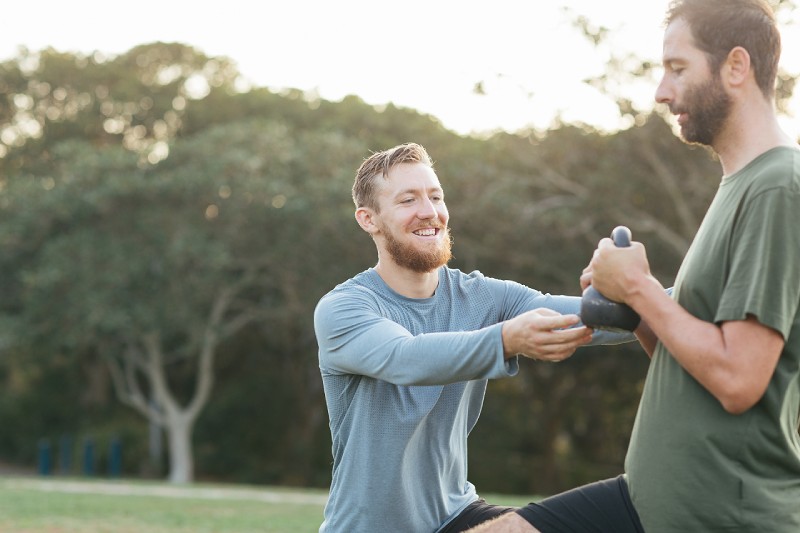
Optimising strength gains while managing fatigue and stress levels by utilising Strength and Conditioning strategies.
Read article >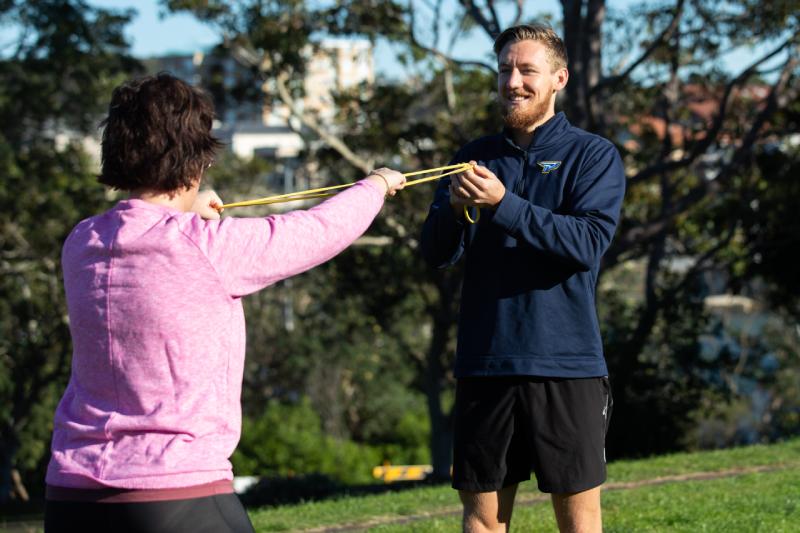
Strength training, when applied in the correct "dosage," serves as a powerful intervention for recalibrating the nervous system, reducing inflammation through myokine release, and managing chronic symptoms without overwhelming the body.
Read article >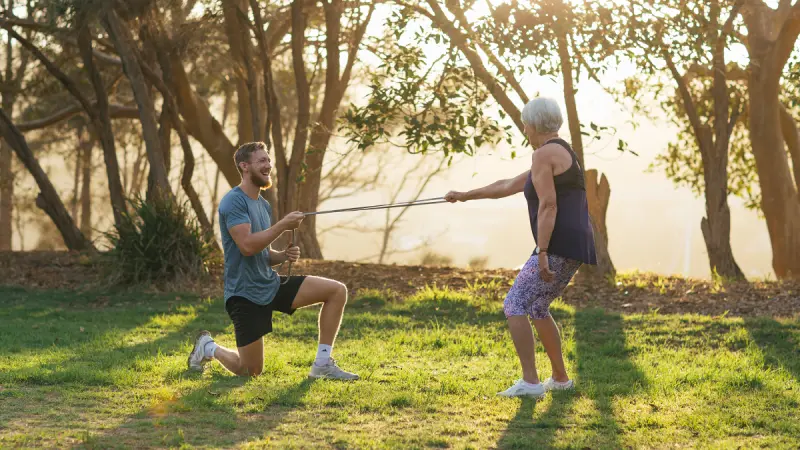
While completing my Master’s in Clinical Exercise Physiology, I’m shifting my focus to outdoor strength training (In Bowral) to leverage the restorative physiological benefits of 'green exercise'.
Read article >


.svg)
