
Strength training, when applied in the correct "dosage," serves as a powerful intervention for recalibrating the nervous system, reducing inflammation through myokine release, and managing chronic symptoms without overwhelming the body.
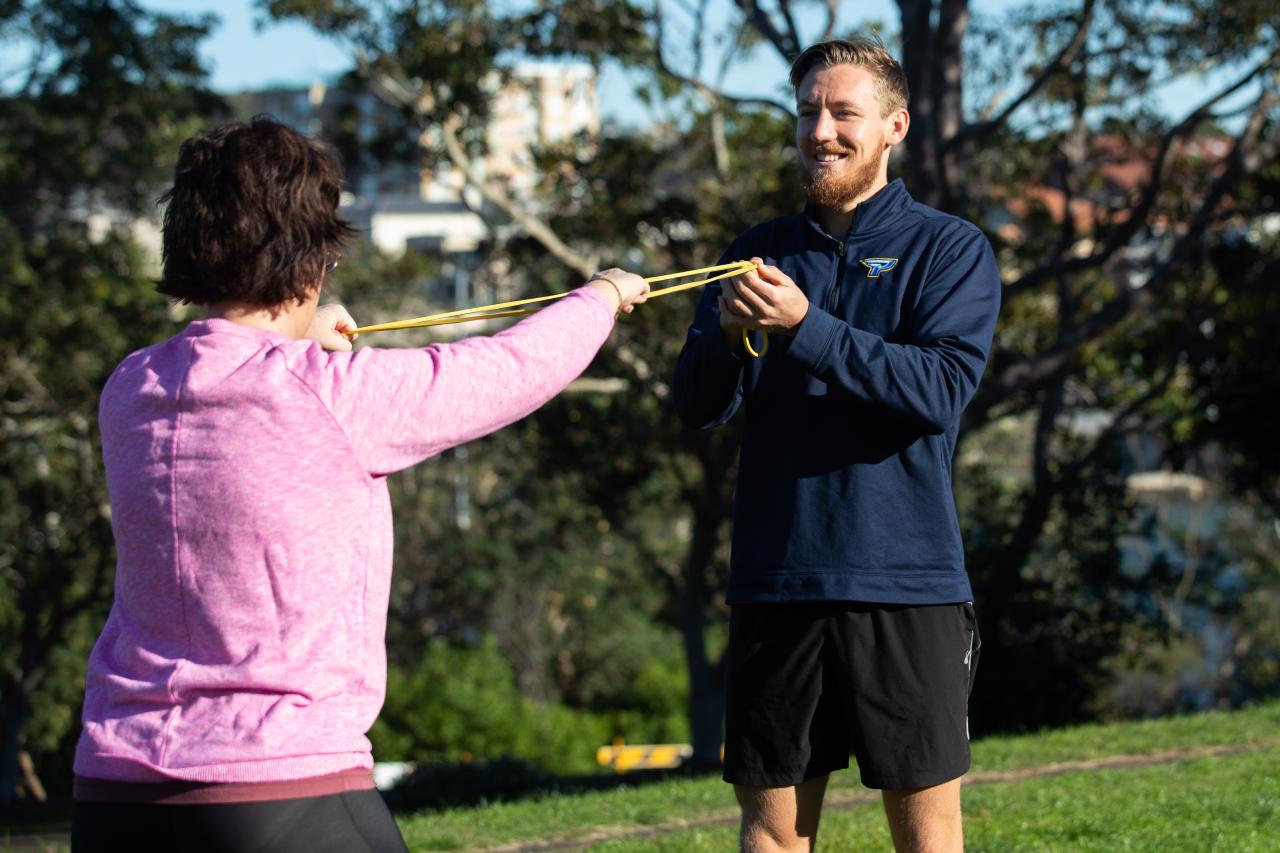
Whether you are navigating chronic pain, fatigue, POTS, mental health challenges or another condition that is characterised by chronic symptoms, the evidence is pointing towards a powerful intervention: Individualised Strength Training.
While the physiological "why" behind each condition varies, when applied in the right dosage, strength training does more than just build muscle—it recalibrates your entire system.
In the world of chronic pain, resistance training has significant pain-relieving effects. This is achieved through mechanisms like:
Think a painkiller and anti-inflammatory combined.
And, by repeating these exercise bouts, you are teaching your body to make this state more of a default setting.
(2)
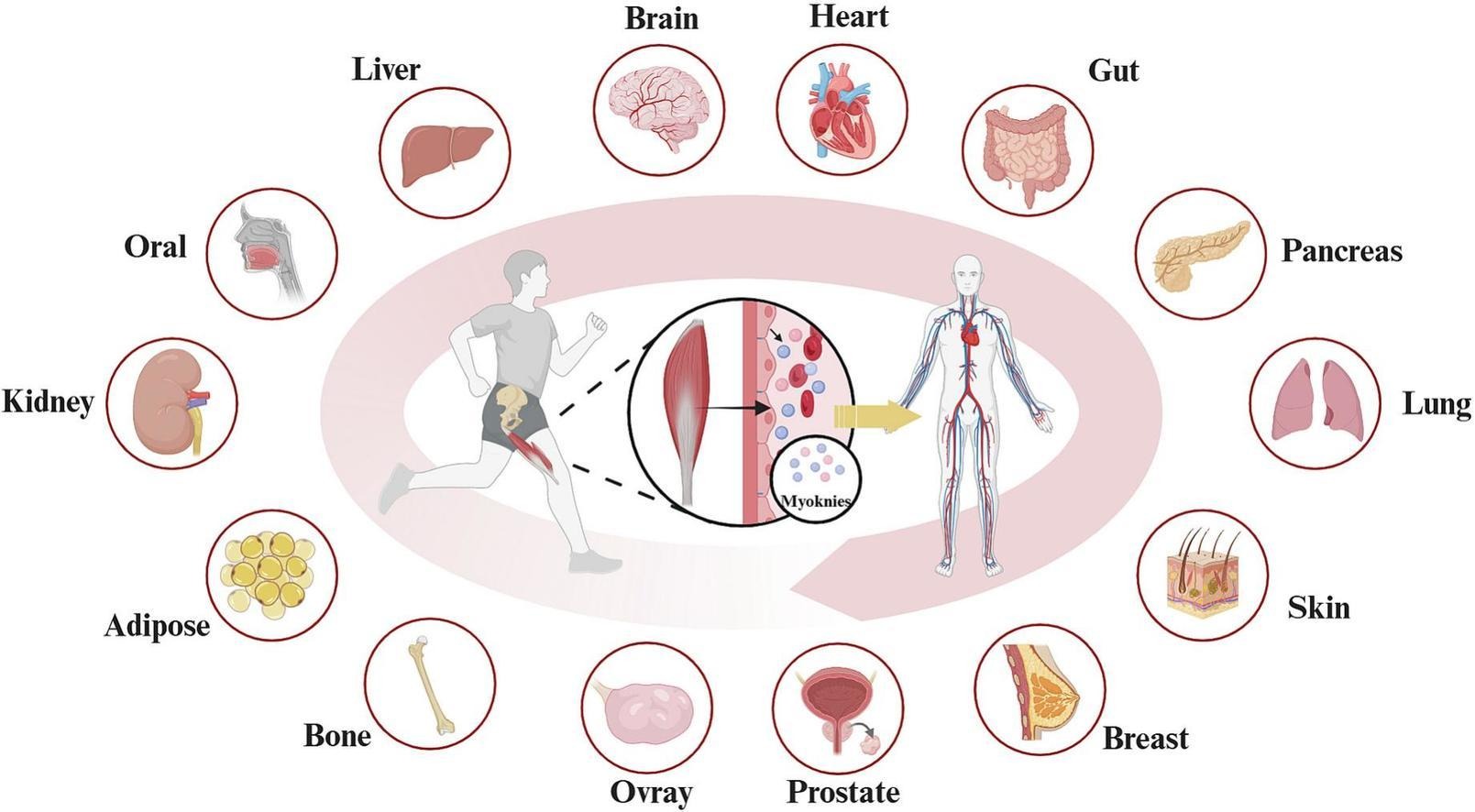
"During and after exercise, skeletal muscle functions as an endocrine organ that releases myokines into the circulation, thereby shaping the systemic immune and neurochemical milieu.” (2)
Without going too far into the details, when you stimulate your muscles, they send out signals (called myokines) that travel through your bloodstream to interact with almost every major organ. These interactions result in impressive medicinal effects for the target organ. Because chronic symptoms rarely impact a single system, strength training is an all encompassing intervention that effectively addresses multiple systems at once.
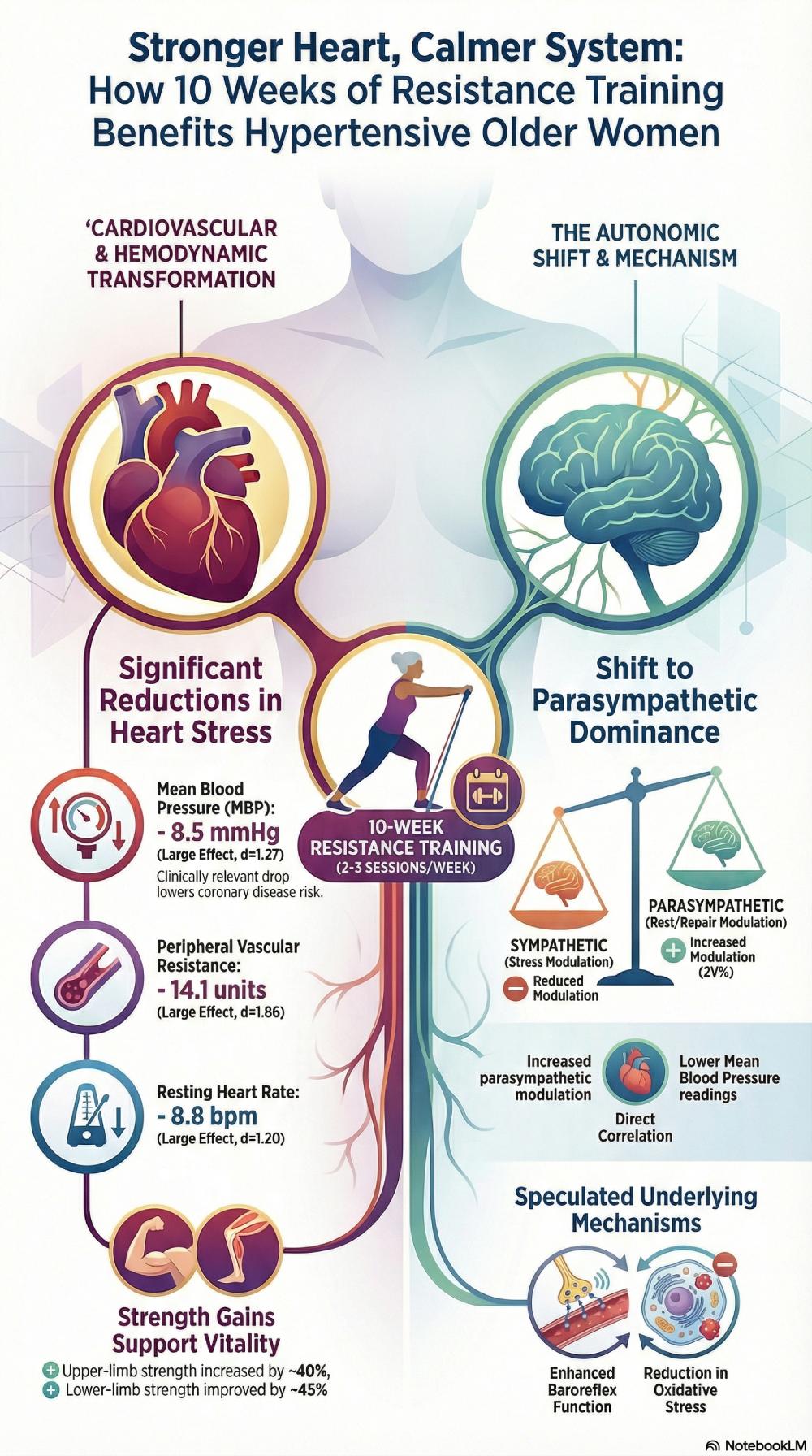
There is often autonomic nervous system dysfunction in many chronic conditions. Resistance training is particularly effective at shifting the body from a state of sympathetic ("fight or flight") dominance to a parasympathetic ("rest and digest") state.
A study on hypertensive older women—who typically have high sympathetic activity—found that just 10 weeks of resistance training successfully pushed their nervous systems into a more balanced state (which offers total-body benefits). AI made me a nice infographic to summarise:
If your nervous system is already overwhelmed, dosage is an important consideration – the goal isn’t to further overwhelm an already overwhelmed system but to find the minimum effective dose. This is where implementing strategies around the structure of your workouts comes in useful.
For example, research has looked at how set/rep structures impact your physiological response:
(1)
By manipulating the rep/set structure (choosing shorter sets and longer rest periods), you can reap the systemic rewards of strength training without overtaxing an already sensitive system.
If you are in the "in-between" phase—finished with rehab but not ready for a generic gym or personal training approach—I provide 1-on-1 outdoor strength training in Bowral (and remote online coaching sessions). My approach combines Exercise Science, Strength and Conditioning principles and an understanding of chronic health challenges.
1) Gobbo, Helyel Rodrigues, et al. "The Effect of Different Resistance Training Protocols on Cardiac Autonomic Modulation During Exercise Recovery: A Crossover, Randomized, and Controlled Pilot Study." Journal of Functional Morphology and Kinesiology, vol. 8, no. 4, 2023, p. 159.
2) Ni, Weidi, et al. "Pain Chronicity and Relief: From Molecular Basis to Exercise-Based Rehabilitation." Biology, vol. 14, no. 9, 2025, p. 1116.
3) Oliveira-Dantas, Filipe F., et al. "Short-Term Resistance Training Improves Cardiac Autonomic Modulation and Blood Pressure in Hypertensive Older Women: A Randomized Controlled Trial." Journal of Strength and Conditioning Research, vol. 34, no. 1, 2020, pp. 37-45.
4) Yi, Jia, et al. "Myokine-Mediated Muscle–Organ Interactions: Molecular Mechanisms and Clinical Significance." Archives of Biochemistry and Biophysics, vol. 742, 2023, p. 109623.

There's a synergistic relationship between Mindfulness and Strength Training where leveraging both results in a potent therapeutic intervention.
Read article >
Optimising strength gains while managing fatigue and stress levels by utilising Strength and Conditioning strategies.
Read article >
While completing my Master’s in Clinical Exercise Physiology, I’m shifting my focus to outdoor strength training (In Bowral) to leverage the restorative physiological benefits of 'green exercise'.
Read article >


.svg)
